Short answer
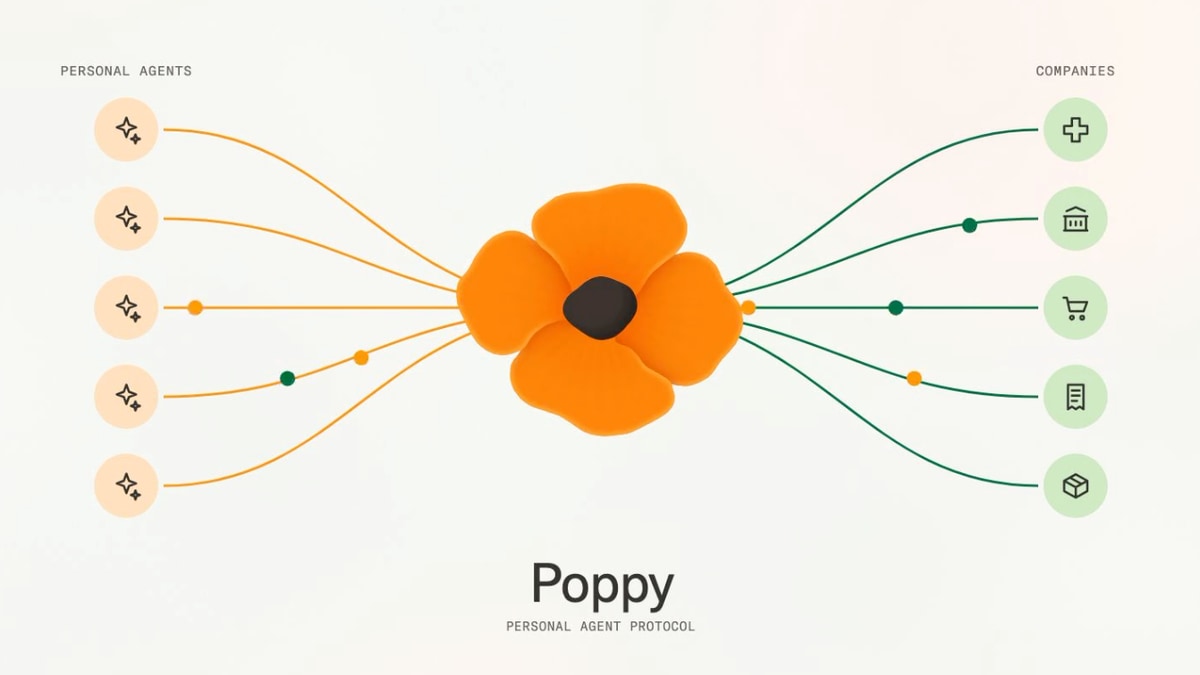
Personal Agent Protocol, also called Poppy, is an open draft protocol for how a person’s AI agent works with a business. It brings discovery, sign-in, permissions, and access to APIs, websites, or a company agent into one model. For operators, the opportunity is direct: the agent finds your business on your domain, and direct sign-in connects the guest to their account with you. Your sign-in. Your guest relationship.
On this page
What is Personal Agent Protocol?
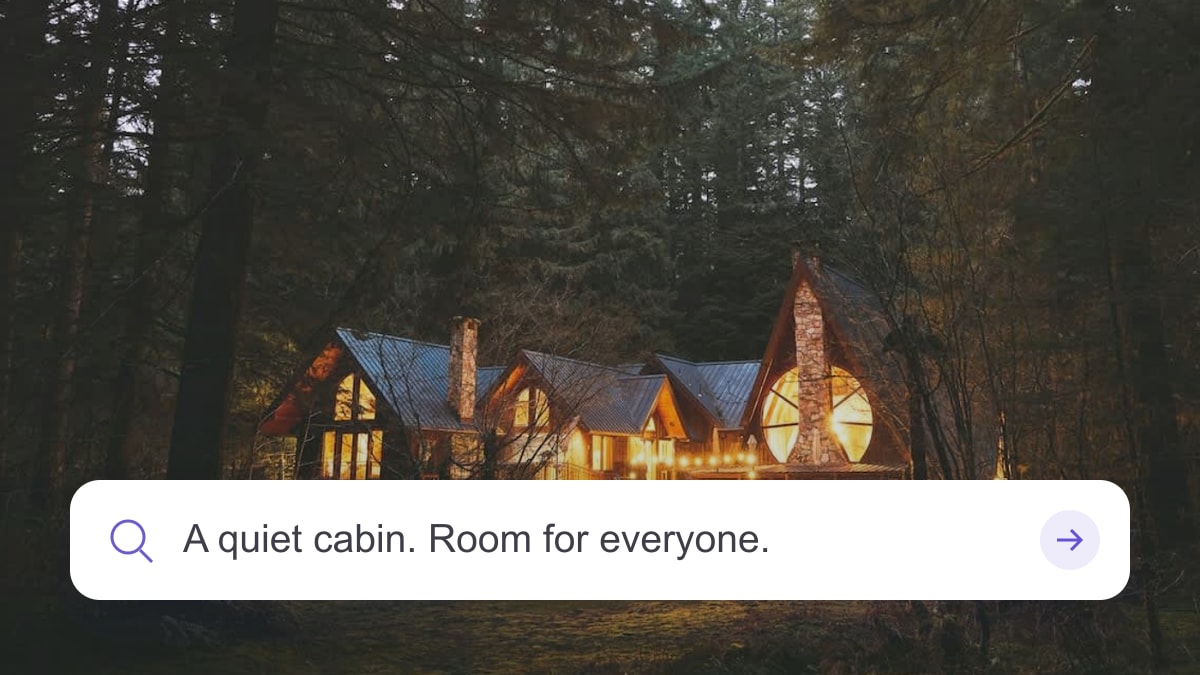
A guest asks their agent to find a quiet place for a long weekend. The agent can read about your property. The next questions are harder: how does it reach your live inventory, recognize the guest, and know whether it can act for them?
Personal Agent Protocol addresses the connection between that personal agent and your business. The guest brings an agent. Your business declares the ways it can work with you. Both sides have a say in the access it receives.
For a hotel or vacation rental operator, that creates a path to serve the guest through your own account and booking experience, even when their trip starts in someone else’s AI conversation.
Who is behind Personal Agent Protocol?
Sierra announced Poppy with Meta and other industry participants. The published design partners include Meta and OpenAI on the personal-agent side, United Airlines and Hertz in travel, and Stripe, Visa, Mastercard, and Adyen among technology providers.
These companies are helping shape the draft. The published list reviewed on October 19, 2026 does not name a hotel or vacation rental operator, leaving room for lodging teams to contribute their needs.
What could this look like for a hotel or vacation rental?
Let an agent search public room and home inventory. Require sign-in before it reads a guest’s reservation. Ask for approval before it commits to a new stay or changes booking terms. Each step gets the access it needs.
The protocol’s introduction uses the same pattern for an airline: search first, account access after sign-in, and approval before purchase. For lodging, an operator could also make eligible member rates available after sign-in, with the booking system checking membership and applying the rate rules.
The operator defines the rates, eligibility checks, and permissions for each task.
How do discovery, sign-in, and permissions fit together?
Discovery starts with a file at /.well-known/poppy.json on the business’s domain. It describes the organization and the interfaces it offers. That gives an agent a place to learn how to connect.
The protocol then connects the agent’s activity across supported APIs, web browsing, and conversations through a session. When account access is needed, supported sign-in flows establish the guest’s authorization. Direct sign-in uses the business’s own sign-in page.
The distinction matters for hospitality: knowing which guest an agent represents is separate from deciding what it may do. An account connection should not be treated as blanket permission to book, change a stay, or spend money.
Does Personal Agent Protocol replace MCP?
MCP gives an AI agent a common way to call tools and read data. In hospitality, those tools can answer questions about properties, availability, quotes, and the next step toward a booking.
Poppy describes how a personal agent connects to a business, including identity and access across interfaces. MCP can be one of those interfaces. A website, an OpenAPI-described API, and a company agent can also have roles.
Together, they let an operator connect property tools to the guest’s authorized session. The agent can carry the same task from a tool call to a website or a conversation with the business.
Does Poppy authorize a booking or handle payment?
The optional operations extension ties approval to one revision of an action’s terms, tracks that action across channels, and prevents a retry from performing it twice. That is relevant to a stay where dates, price, or cancellation terms can change before confirmation.
Payments remain an open topic on the path to 1.0, including how Poppy should work with existing payment protocols.
Kismet Agent Pay covers the payment part of Kismet Agent Booking, including supported agent payments and checkout links a guest can finish.
What does Personal Agent Protocol mean for AEO and GEO?
Answer engine optimization and generative engine optimization help a business become a useful source in AI answers. Clear explanations, crawlable pages, consistent property facts, and supported claims give a reader something worth using and citing.
At Kismet, we also use agentic engine optimization for the next step: making a property’s information verifiable and its booking path actionable. Poppy is relevant to that work because it addresses the connection and permissions between an agent and a business.
The two jobs reinforce each other. Explain your properties clearly enough for an agent to understand them. Then give it a supported way to check what is current and continue with the guest’s permission. Measure useful outcomes such as a live quote, a guest reaching checkout, and a confirmed booking alongside mentions and referrals.
What should operators do now?
Start with the parts a guest’s agent will need regardless of which protocol it uses: clear room and home details, current availability, a dated total, booking terms, and a direct path to confirmation. Keep those facts consistent across your website and the tools that answer live questions.
Ask your technology partners which agents and protocol versions they support, how a guest grants and revokes access, and which actions are actually enabled. Test a full journey, including a changed price or a step that needs the guest to take over.
Ask about the optional feedback endpoint, too. It lets agents report tasks the business does not offer through its connected interfaces. A lodging operator could learn that guests want split payments, a pet add-on, or a way to request a minimum-stay exception. Those reports reveal missing capabilities; the operator still decides which requests to support.
Explore Kismet Agent Booking to see the path from a guest’s conversation to a direct reservation.
Frequently asked questions
What is Personal Agent Protocol (Poppy)?
Personal Agent Protocol, or Poppy, is an open draft protocol for connecting a person’s AI agent to a business. It describes discovery, sign-in, permissions, and access through APIs, websites, or a company agent.
Is Personal Agent Protocol a finished standard?
The documentation reviewed on October 19, 2026 is Draft 0.2. The project is working toward 1.0 and says earlier draft implementations can face breaking changes. Check the version your technology provider supports.
How is Poppy different from MCP?
MCP connects AI agents to tools and data. Poppy describes the broader relationship between a personal agent and a business, including discovery, sessions, and sign-in. MCP can be one of the interfaces a business exposes through that relationship.
Does publishing poppy.json make a hotel bookable by AI?
No. The file describes how an agent can connect; it guarantees neither a booking nor an AI recommendation. A hotel or vacation rental still needs accurate inventory, live availability and quotes, guest permissions, and a working booking and payment path.
Does Personal Agent Protocol process payments?
Payments, including compatibility with existing payment protocols, remain an open topic on the path to 1.0. The optional operations extension handles approval and confirmation of actions.
Can an operator learn which tasks agents cannot complete?
Yes, if the business publishes the optional feedback endpoint. An agent can report a task that none of the business’s connected interfaces offers. This helps operators identify missing capabilities, such as a pet add-on or split payment, rather than relying only on abandoned visits.
How should a provider support several hotel or rental businesses?
Each business needs its own sign-in identity under the protocol, even when one provider hosts many. Ask your provider how they handle that.
What is Kismet doing with Personal Agent Protocol?
Kismet is publishing Poppy discovery for selected client sites and testing public inventory access against Draft 0.2. Talk to us about discovery on your domain and the capabilities available for your setup.
Give personal agents a direct path to your business.
Connect your property information, guest permissions, and booking flow with Kismet.